Dialogue and Political Solutions for Nnamdi Kanu
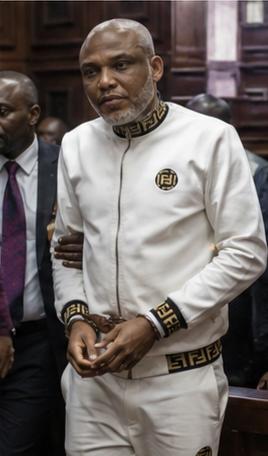
Dialogue and Political Solutions for Nnamdi Kanu: 3 New Key Pressures Facing Tinubu
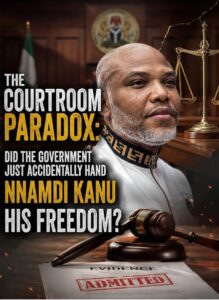
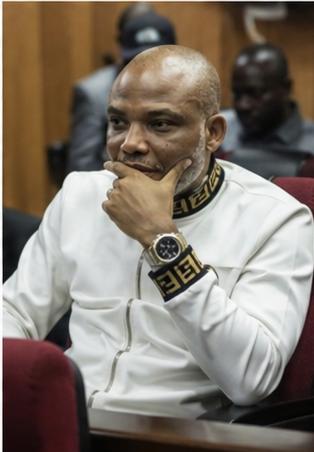
The protracted detention and legal battle of Mazi Nnamdi Kanu, the leader of the Indigenous People of Biafra (IPOB), has reached a critical turning point where judicial verdicts are no longer seen as the final answer. Across Nigeria’s elite political circles, a unified demand is growing: the iron-fist approach must be dropped. Instead, the focus has shifted entirely toward exploring dialogue and political solutions for Nnamdi Kanu to restore stability to the South-East region.
This growing push for regional reconciliation comes at a time when the federal government is managing several overlapping national crises. From navigating macro economic policies to addressing systemic security gaps, these issues frequently tie back to political frictions explored in our comprehensive analysis of the latest Nigerian election updates.
Table of Contents
The Peter Obi Doctrine: Dialogue Over Containment
Speaking recently to an audience of Nigerians in Washington, D.C., former presidential candidate Peter Obi strongly criticized the federal government’s handling of regional separatists. Obi reiterated that true national unity cannot be forced behind bars or through continuous state containment. He insisted that there is no justification for keeping the IPOB leader in custody, emphasizing that his administration would actively prioritize a political solution through direct engagement.
According to a report published by The Guardian Nigeria, Peter Obi has consistently maintained that dialogue and political solutions for Nnamdi Kanu offer the only sustainable pathway to peace in the South-East. For Obi, sitting down with agitators is not a sign of state weakness; rather, it is an absolute necessity to address the deep-rooted economic and political grievances driving the unrest.
44 Federal Lawmakers and Traditional Rulers Pressure Aso Rock
The demand for alternative conflict resolution has moved past opposition talking points and split wide open inside Nigeria’s legislative houses. A bipartisan coalition of 44 federal lawmakers formally wrote to President Bola Tinubu, urging him to invoke his constitutional powers to drop the treason trial. The lawmakers explicitly recommended initiating dialogue and political solutions for Nnamdi Kanu, advising the Attorney-General to withdraw the state prosecution in favor of an all-inclusive national reconciliation round-table.
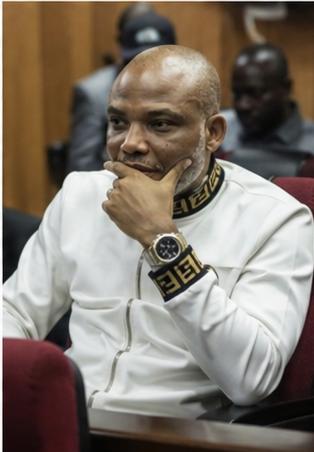
This legislative pressure is heavily backed by regional traditional rulers who face growing frustration from local youths. At a high-profile summit in Abuja, traditional monarch Igwe Lawrence Agubuzu openly confronted President Tinubu, warning that community leaders are being labeled as “sellouts” due to the state’s silence. The monarch boldly stated that if the country refuses to grant him a fair hearing domestically, the state should utilize diplomatic channels to return him to the United Kingdom.
The Broader Security Dilemma Across Nigeria
For Aso Rock, stepping in to override a judicial verdict carries massive political risks. Critics argue that bypassing the courts undermines the independence of the Nigerian judiciary. However, proponents of dialogue counter that the state frequently negotiates with armed groups in other parts of the country to maintain peace. This structural disparity in law enforcement remains a highly sensitive topic, mirroring the frustrations felt regarding the recent kidnapping in Nigeria security updates.
Ultimately, the executive branch faces a choice between pursuing absolute finality through containment or adapting to the changing political climate. As regional governors, lawmakers, and traditional monarchs present a unified front, the push for dialogue and political solutions for Nnamdi Kanu has transformed from a regional request into an urgent national priority.
Over to You: Let’s Debate in the Comments Below
The line between judicial justice and national peace has never been this thin. We want to hear your raw, analytical take on these developments:
1. Weakness vs. Wisdom: Is embracing dialogue and political solutions for Nnamdi Kanu a smart peace-building move, or does it set a dangerous precedent for other agitating groups across Nigeria?
2. The Political Motive: Do you believe figures like Peter Obi and the 44 lawmakers are genuinely pushing for sustainable peace, or is this tactical politics to gain leverage ahead of the next political cycle?
3. The Cultural Warning: Was Igwe Agubuzu right to publicly warn the President that traditional leaders are losing the trust of South-East youths over this continuous containment?
Drop your thoughts in the comment section below. Keep the conversation respectful, support your arguments with facts, and let’s talk!