
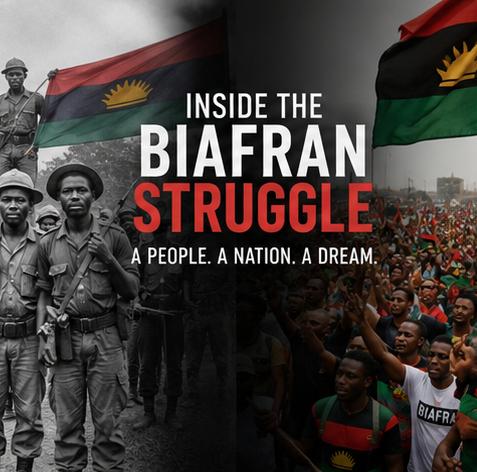
Biafra Heroes Remembrance Day: 3 Powerful Truths
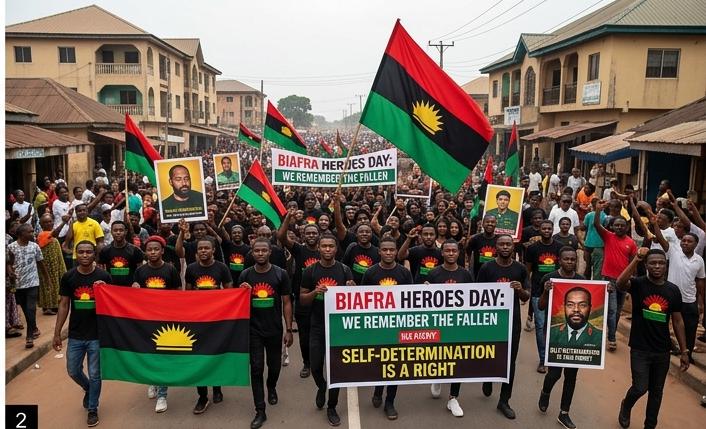
Biafra Heroes Remembrance Day: 3 Powerful Truths Behind May 30
Every year on May 30, the streets across the South-East fall completely silent. Markets lock their gates, highways empty out, and millions of families stay indoors in a collective act of solemn memory. This annual compliance is not a simple political demonstration; it is the deeply sacred observance of Biafra Heroes Remembrance Day.
Marking the 59th anniversary of the historic 1967 declaration by late General Chukwuemeka Odumegwu Ojukwu, the day honors the millions of men, women, and children who lost their lives during the Nigerian-Biafran civil war. Understanding the deep roots of this commemoration explains why it continues to shape modern regional discourse.
This period of remembrance often draws immediate comparisons to other ongoing regional developments. Many legal analysts and community leaders view the current socio-political environment through the lens of recent judicial decisions, such as the widely discussed Nnamdi Kanu appeal jurisdiction paradox 2026, which continues to influence public sentiment regarding self-determination and state interactions.
Table of Contents
1. A Sacred Covenant Rather Than a Political Ritual
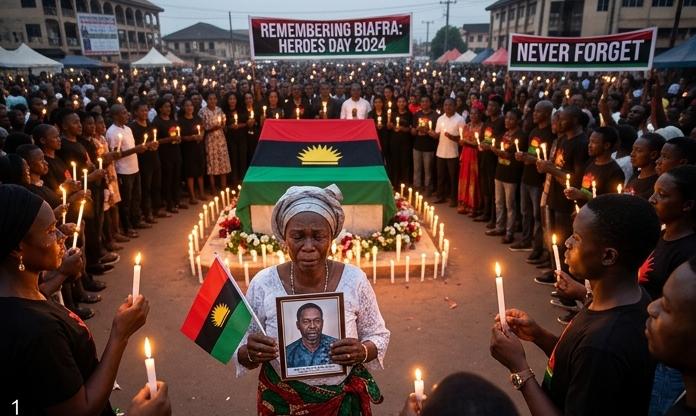
Mainstream political observers often misinterpret the widespread sit-at-home compliance on May 30 as forced intimidation by separatist organizations. However, local organizers emphasize that Biafra Heroes Remembrance Day is a profound cultural obligation rooted in honoring ancestral sacrifice rather than commercial disruption.
As noted in official statements published by Punch Newspapers, the annual observance represents a solemn vow between the living and the dead. The strict closure of schools, banks, and major transport hubs serves as a community-driven tribute to ensure the devastating realities of past blockade warfare and starvation are never erased by political convenience.
The continuous push for regional equity has also driven mainstream politicians to seek non-kinetic strategies. There is a growing consensus among regional representatives that addressing historical grievances must include constructive engagement, a theme heavily mirrored in ongoing calls for dialogue political solutions for Nnamdi Kanu to ease regional friction.
2. Honoring Sacrifices Beyond the History Footnotes
A primary driver behind the continuity of the remembrance is the systemic absence of the civil war from conventional educational curriculums. Pro-Biafra groups point out that because formal history books frequently reduce the three-year conflict to simple footnotes, community-led memorials are necessary to preserve local identity during Biafra Heroes Remembrance Day events.
The day explicitly honors the regular citizens behind the frontlines: the barefoot soldiers, the local mothers who managed severe humanitarian crises, and the ingenious scientists who built local refineries and infrastructure out of basic scraps. By keeping these personal histories alive, younger generations maintain a strong connection to their heritage.
Furthermore, human rights institutions have long noted that memorialization is a key aspect of transitional justice. According to historical archives documented by the Amnesty International research team, acknowledging community losses openly acts as an essential psychological safety valve for groups dealing with generational trauma during this annual period of reflection.
3. A Launchpad for Modern Restructuring Debates
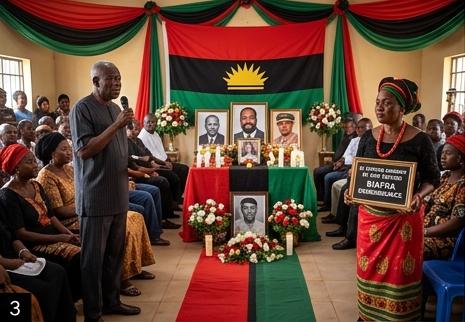
While rooted firmly in honoring historical tragedy, May 30 serves as a critical annual framework to address contemporary governance failures. Regional leaders and governors routinely utilize the heightened public awareness surrounding Biafra Heroes Remembrance Day to demand structural national dialogues concerning justice, marginalization, and true federalism.
Rather than advocating for outright separation, many mainstream leaders view the core message of the day as an urgent demand for deep structural restructuring. They argue that acknowledging the human cost of the past is the only legitimate pathway to building a stable, equitable economic and political future for all regions.
By transforming a day of grief into a modern policy conversation, community leaders aim to construct healthier, long-term political dialogue within the federal space. As long as economic and developmental gaps persist, the legacy of Biafra Heroes Remembrance Day will remain an indispensable focal point for regional assessment.
Over to You: Share Your Thoughts Inside the Comments
The preservation of historical memory is essential for navigating modern national policy. We want to hear your analytical perspective on this memorial:
1. Historical Acknowledgment: Should the federal government formally recognize May 30 to help heal long-standing regional wounds?
2. Economic Impact vs. Honor: How can communities best balance the economic costs of local sit-at-home compliance with the desire to honor historical sacrifices?
Join the conversation in the comment section below. Please keep your arguments analytical, factual, and respectful.