
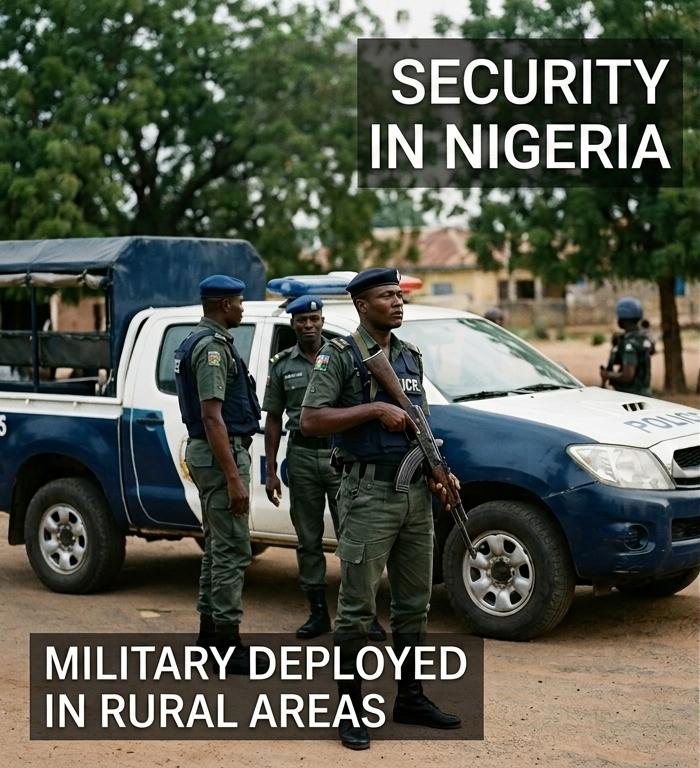
Security Crisis in Nigeria: 3 Structural Failures
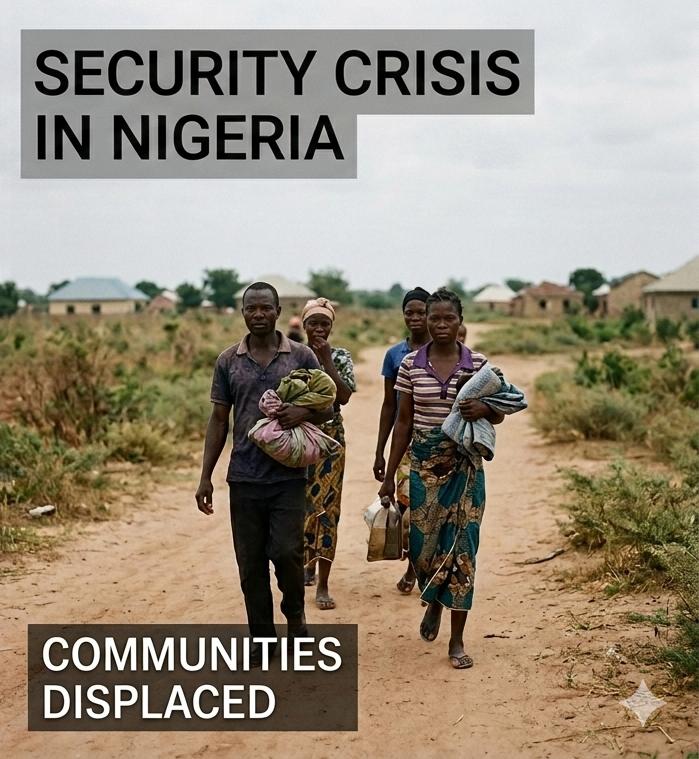
Security Crisis in Nigeria: 3 Structural Failures Driving Nationwide Insecurity
For more than fifteen years, communities across the country have endured relentless disruptions from armed groups, bandits, and opportunistic criminal syndicates. As public anxiety reaches a breaking point, the multifaceted security crisis in Nigeria has evolved from localized disturbances into a pressing national emergency impacting every socio-economic class.
The severity of the situation has prompted civil society institutions, traditional leaders, and various youth groups to demand that the federal government move beyond temporary fixes. To build lasting stability, observers note that leadership must confront the core administrative and systemic vulnerabilities fueling this national breakdown.
This widespread instability directly influences other ongoing regional legal and political struggles. For instance, the overarching security crisis in Nigeria remains deeply intertwined with prominent regional cases, such as the friction surrounding the Nnamdi Kanu appeal jurisdiction paradox 2026, highlighting the delicate balance between state authority and civic expectations.
Table of Contents
1. The Security Leadership Personnel Replacement Trap
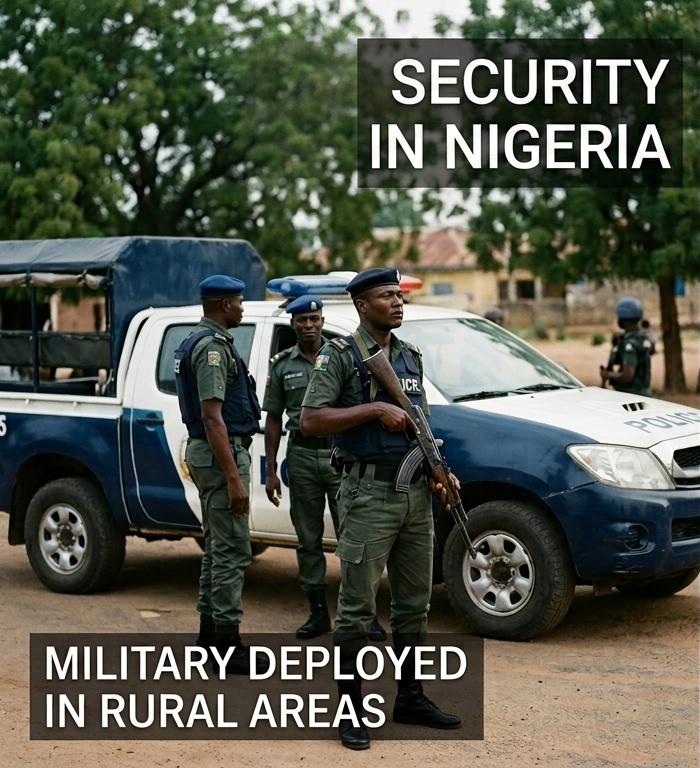
A primary flaw in the historical management of the security crisis in Nigeria is the consistent reliance on changing agency chiefs without altering deep-seated operational methods. Security consultants emphasize that continuously swapping top personnel leaves structural vulnerabilities within the armed forces and police completely unaddressed.
According to analytical reports highlighted by BusinessDay Nigeria, treating insecurity as a basic personnel problem fails to yield long-term results. True reform requires institutional accountability, upgraded field intelligence equipment, and a fundamental overhaul of how tactical information is shared between active security branches.
The push for fresh administrative frameworks is a common theme among policy reformers. Many lawmakers maintain that systemic issues require non-traditional engagement models, mirroring separate legislative conversations where representatives seek constructive dialogue political solutions for Nnamdi Kanu to stabilize regional security boundaries.
2. Neglecting a Whole-of-Government Prevention Strategy
Independent security analysts argue that the security crisis in Nigeria cannot be resolved purely through physical military responses. Instead, curbing widespread criminal exploitation demands a holistic, whole-of-government model that integrates economic assistance, urban planning, and judicial efficiency.
When public policies fail to address high inflation, land management issues, and severe youth unemployment, a fertile ground is created for alternative criminal networks to recruit vulnerable citizens. Transitioning toward a preventive security model means that ministries governing education, infrastructure, and job creation must work in sync with active intelligence agencies to eliminate internal triggers.
3. The Widening Institutional Confidence Gap
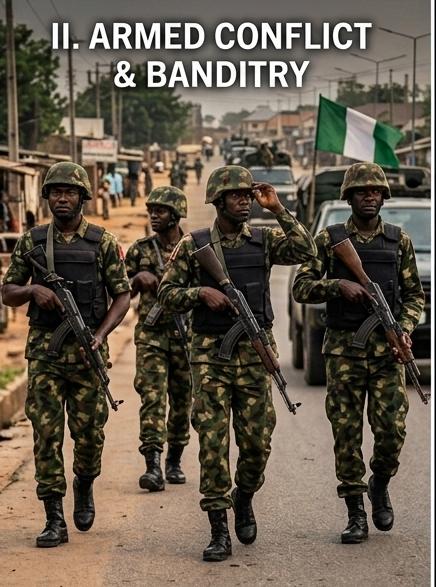
A stable security environment relies heavily on mutual trust between the populace and state representatives. Unfortunately, the current security crisis in Nigeria is worsened by a widening trust deficit, as many local communities feel isolated from protective institutions.
Civil movements, including the Guardian Nigeria editorial observers, note that when local communities lose faith in the state’s capacity to protect their fundamental rights, civic alienation deepens. Rebuilding this collaborative network is essential; effective tracking of criminal elements relies directly on voluntary community intelligence and grassroots cooperation.
Ultimately, resolving this national dilemma requires a sustained commitment to institutional transparency, structural balance, and long-term economic investments across all geopolitical zones.
Over to You: Share Your Thoughts Inside the Comments
Addressing national safety requires collective, analytical discussion. We want to hear your perspective on the current security framework:
1. Structural vs. Personnel: Do you agree that changing security chiefs is ineffective without deep institutional restructuring?
2. Preventive Policy: Which sector—such as job creation, education, or judicial reform—should the government prioritize to reduce the root causes of crime?
Join the conversation in the comment section below. Please keep your arguments analytical, factual, and respectful.