
How to Start a Lucrative Mini-Importation Business in Nigeria (2026 Guide)

Starting a lucrative mini-importation business in nigeria has transitioned from a mere side hustle into an absolute economic survival strategy. The current economic climate in Nigeria, marked by fluctuating foreign exchange rates and rising inflation, has pushed many aspiring entrepreneurs to look for businesses with high profit margins and low startup capital. Let’s be honest, relying on a single source of income or waiting for an alert from home cannot stand the heat of the current economy. One business model that consistently fits this description is mini-importation. Mini-importation involves sourcing high-demand retail items directly from overseas manufacturers at wholesale prices and selling them locally for a healthy profit margin.
Thanks to automated global supply chains and local logistics agents, anyone with a smartphone can run an international trade system from their bedroom. No cap, this business can permanently banish sapa if you deploy the right framework. Many people assume you need millions of Naira in a corporate bank account to start importing goods, but that is a massive misconception. If you are tired of looking for “urgent 2k” or want to multiply your savings, understanding how to launch a lucrative mini-importation business in nigeria will change your financial narrative completely. By identifying what local consumers desperately need and connecting with global suppliers, your smartphone becomes a money-printing machine.
Table of Contents
1. Identifying Hot-Selling Products for a Lucrative Mini-Importation Business in Nigeria
The secret to absolute success when launching a lucrative mini-importation business in nigeria is avoiding heavy, bulky items. If you go ahead and import heavy home furniture or large industrial machines without a massive budget, shipping fees via air cargo will swallow all your potential profits before the items even land at the airport. Instead, focus entirely on lightweight, high-demand lifestyle products that everyday Nigerians are willing to pay for immediately. You must look for consumer items that solve daily problems, enhance convenience, or appeal directly to deep personal vanity.
Excellent entry-level categories include smartphone accessories (wireless earbuds, fast-charging hubs, magnetic power banks), trending skincare tools, minimalist fashion watches, and specialized children’s items. Think about it: every young Nigerian wants to look sharp without spending a fortune. If an item is light enough to ship via air freight cheaply and carries a high perceived value, it is an ideal candidate for your inventory. Before placing an order, do your background checks on social media to ensure that what you are bringing in is not already oversaturated in the local markets.
Furthermore, you can utilize free digital analytical platforms like Google Trends to monitor exactly what terms and consumer demands are spiking across different states in Nigeria. Sourcing products blindly because you personally like them is the fastest way to get your capital stuck. Your inventory must reflect active market data, consumer purchasing power, and seasonal demands to guarantee a fast turnover rate for your investments.
2. Sourcing From Reliable Platforms Like 1688 and Alibaba
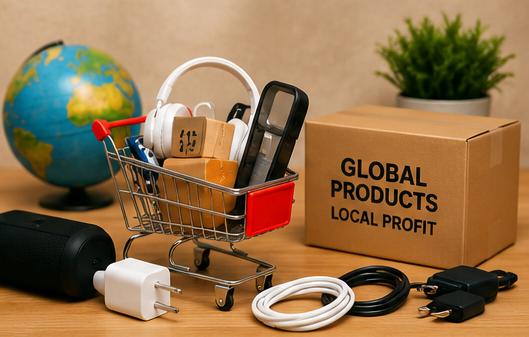
You do not need millions of Naira to buy directly from overseas manufacturers. E-commerce portals like 1688, Alibaba, and Taobao provide direct access to factory-level pricing that allows you to bypass greedy middlemen. While Alibaba is geared toward global buyers in English with slightly higher markups, platforms like 1688 offer incredibly low domestic Chinese pricing. This is where top wholesale merchants in Lagos markets buy their stocks before inflating the prices locally. Sourcing directly from these portals is the foundation of building a truly lucrative mini-importation business in nigeria.
To navigate foreign-language platforms like 1688 easily, use the automated translation feature built into Google Chrome or mobile translation apps. It turns the entire Chinese interface into readable English instantly. However, do not just rush and buy from the first supplier you see. Always review a supplier’s transaction history, factory rating badges, operational years, and buyer reviews before placing your product orders. If a manufacturer has low response ratings or bad feedback about product quality, run away immediately to protect your hard-earned capital.
For smart operators who want maximum security, utilizing verified e-commerce payment protocols like Alipay or working with trusted procurement agents ensures your money is safely held in escrow until the factory dispatches your specific orders. This completely eliminates the fear of being scammed by ghost suppliers online, allowing you to scale your sourcing operations with absolute peace of mind.
3. Partnering with Shipping Agents and Procurement Experts
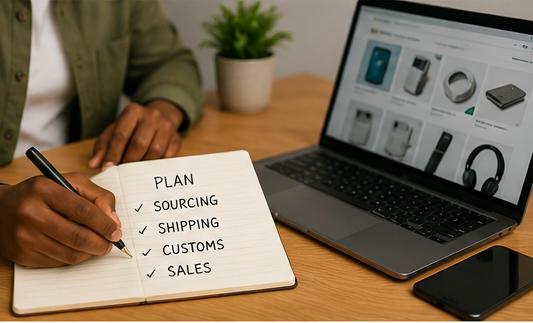
You do not need to deal with international customs clearing, complex seaport paperwork, or terminal bottlenecks yourself. Specialized shipping and logistics agents handle the entire transport pipeline from China or the US straight to Nigeria. These agencies provide you with a dedicated warehouse address in the source country free of charge. When you buy goods from a factory, your supplier ships them locally to that designated warehouse address. The logistics agent receives the packages, inspects them, and prepares them for international transit.
The agent then clears the goods through customs and transports them safely to their office hubs in Lagos, Abuja, or Port Harcourt, where you pay for shipping based on the weight or volume of your package. Air freight usually takes between 3 to 7 days to land in Nigeria, making it the perfect choice for small, high-turnover retail items. For large, heavy batches where you aren’t in a rush, sea shipping is far more economical, though it takes several weeks to arrive at the ports. Choosing the right logistics partner keeps your overhead expenses low and your business highly sustainable.
If you encounter difficulties paying Chinese suppliers directly due to international spending limits on local cards, procurement agents can help you buy items on 1688 seamlessly. You pay them in Naira, and they use their verified local Chinese accounts to complete the transaction with the factories. This system removes the stress of currency conversion barriers, making it incredibly straightforward to scale your lucrative mini-importation business in nigeria even as a complete beginner.
4. Marketing Your Inventory and Driving Sales
An imported product only makes money when it sells; otherwise, it is just decorative clutter in your room. Do not wait for customers to find you randomly or rely solely on family members who might ask for goods on credit. To run a successful, lucrative mini-importation business in nigeria, you must treat your marketing like a professional corporate outfit. Create clean, high-definition product videos using your smartphone, highlight the core benefits of the item, and upload them consistently to Instagram Reels, YouTube Shorts, and TikTok where viral attention is completely free.
Set up a free WhatsApp Business catalog where prospects can browse your active stock, see prices clearly, and message you directly to place their orders. Avoid keeping people in suspense by hiding your prices; transparency builds trust quickly online. By offering reliable local delivery services or partnering with trusted rider logistics networks across your city, you can easily turn a small batch of test items into a thriving recurring retail brand that deposits clean profits into your bank account daily.
If you have a little extra budget for marketing, running target-specific Facebook and Instagram sponsored ads can explode your order books overnight. You can position your products directly in front of working-class professionals or campus students who have the immediate cash to buy. If your cash flow requires a more consistent, immediate local liquidity engine alongside product retail, you can also cross-examine alternative options like our comprehensive guide on launching a POS and agency banking stable daily income stream to diversify your overall business footprint effectively.
5. Overcoming the Exchange Rate Barrier and Managing Capital
Let’s talk truth: the foreign exchange market can fluctuate wildly, and if you do not calculate your landing costs properly, currency adjustments can eat into your margins. To protect your lucrative mini-importation business in nigeria from unexpected exchange rate shocks, always budget with a slight buffer. If the current parallel market rate for importing is at a specific amount, calculate your product pricing using a slightly higher baseline. This ensures that even if freight costs or conversion rates tick upward while your goods are in transit, your retail price will still deliver a comfortable profit.
Never tie up all your working capital into purchasing a single product type. Diversification is key. If you have 100,000 Naira to start, spend 60% on buying products, 30% on shipping and logistics clearances, and keep 10% cash reserves for unexpected marketing adjustments or promotional offers. Reinvest your initial profits back into buying more inventory rather than spending your earnings on luxury upgrades prematurely. Discipline is the thin line separating sustainable merchants from those who experience a sudden crash in business liquidity.
As your volume expands, you can move away from air freight and consolidate your inventory into shared containers via sea shipping. This drops your landing cost per item dramatically, giving you a massive competitive advantage over local retail stores. When you can afford to sell high-quality goods at lower prices while retaining great margins, your brand reputation spreads rapidly via word-of-mouth across communities.
The Great Debate: Is Mini-Importation Better Than Local Investments?
Building a sustainable enterprise requires analyzing where every single Naira yields the maximum return on investment. While running a lucrative mini-importation business in nigeria offers undeniable scale and access to international supply factory costs, many local retail purists argue that setting up physical agency businesses or localized manufacturing distribution frameworks inside Nigeria is far more secure because you face zero international shipping risks or customs seizures.
Over to you in the comment section: Do you believe mini-importation remains the absolute ultimate way for an average youth to secure financial freedom today, or is it too risky due to constant exchange rate adjustments? Would you rather put your capital into international trade pipelines, or keep it local via neighborhood agency frameworks? Drop your unvarnished thoughts below, drop your experiences, and let’s get the debate started! Whose strategy wins? Let’s talk!