Nigerian Election Updates: 6 Crucial Socio-Economic Drivers
The political landscape of Nigeria is undergoing an unprecedented structural realignment. As the largest democracy in Africa gears up for its next major general Nigerian election cycle, the traditional political playbooks are being rewritten. With a rapidly expanding youth demographic, fluctuating macroeconomic realities, and tectonic shifts in party coalitions, the upcoming campaign window is positioned to be a defining watershed moment for the West African sub-region. To better understand how these dynamics interplay with broader mobile trends and digital tracking tools shaping our generation, readers can also review our analytical framework detailing the iPhone 18 leaks tracking data.
For political analysts, investors, and citizens alike, understanding the intricate dynamics of this impending political transition requires a deep dive into electoral mathematics, ethno-regional calculations, and the socio-economic drivers shaping the electorate ahead of the historic Nigerian election timeline.
Table of Contents: Electoral Structural Analysis
- The Shifting Tri-Polar Political Landscape
- The Ruling Party’s Strategy (APC)
- The Main Opposition (PDP)
- The Third-Force Influence (Labor Party & NNPP)
- Key Socio-Economic Drivers Shaping Voter Sentiment
- The Geo-Political Calculus: Zoning and Regional Blocs
- Technological Advancements in the Electoral Process
- Security Architecture and Logistic Frameworks
- International Observation and Global Economic Implications
The Shifting Tri-Polar Political Landscape
Historically, presidential ballots have predominantly been a two-horse race between the ruling All Progressives Congress (APC) and the main opposition People’s Democratic Party (PDP). However, the legacy of the 2023 cycle broke this traditional duopoly, cementing a resilient tri-polar structure that continues to influence political calculations ahead of the next national Nigerian election event.
The Ruling Party’s Strategy (APC)
The All Progressives Congress relies heavily on the formidable power of incumbency, structural dominance across key state executives, and deep-rooted grassroots networks. The party’s strategy focuses on consolidating its traditional strongholds in the Southwest and parts of the North, while aggressively executing developmental projects to win over skeptical swing states in the North-Central and South-South regions before the Nigerian election operations commence.
The Main Opposition (PDP)
The People’s Democratic Party faces the critical task of internal reconciliation. To mount a successful nationwide challenge, the PDP is working to rebuild its historic alliances in the South-South and Southeast, while presenting a unified, stable alternative capable of capitalizing on voter anxieties over inflation and currency reforms across the country.
The Third-Force Influence (Labor Party & NNPP)
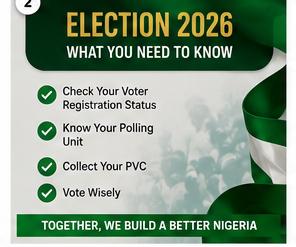
The emergence of strong alternative movements primarily driven by the Labor Party (LP) and the New Nigeria People’s Party (NNPP) has fundamentally decentralized the map. These parties leverage intense urban youth mobilization, digital campaign networks, and localized regional popularity. Rather than fading away, these third-force elements are actively forming strategic alliances that could disrupt predictions for the upcoming Nigerian election project windows.
Key Socio-Economic Drivers Shaping Voter Sentiment
Omo, things have shifted dramatically. Modern voters are increasingly moving away from purely sentimental politics toward pocketbook voting where personal economic realities dictate final choices at the ballot box.
Monetary Policy and Inflation Metrics
The implementation of floating exchange rate systems, subsidy adjustments, and structural fiscal changes have caused temporary inflationary pressures. By the time voters head to the polls for the national Nigerian election, the primary metric of evaluation will be the tangible stabilization of the Naira, the reduction of the food inflation index, and the growth of local manufacturing capacities. Any political platform aiming for victory must present a transparent, mathematically sound blueprint for sustainable macroeconomic recovery.
Youth Demographics and Digital Mobilization
Nigeria possesses one of the youngest populations globally, with over 60% of its citizenry under the age of 25. Data verified by The Independent National Electoral Commission (INEC) records consistently show that tech-savvy youths constitute the largest voting block in terms of registration numbers.
| Platform / Metric | Mobilization Mechanics | Electoral Impact |
|---|---|---|
| Social Media (X, TikTok) | Real-time fact-checking; viral trends; space hosting. | Rapid distribution of campaign promises and agenda setting. |
| Messaging Apps (WhatsApp) | Localized group chats; audio notes; grassroots voter drives. | High penetration in community-level organizing and updates. |
| Digital PVC Portals | Online registration checks; polling unit location maps. | Bridges the gap between online hype and actual ballot box turnout. |
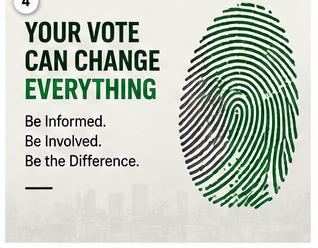
This demographic relies heavily on social platforms (X, TikTok, and WhatsApp groups) to fact-check manifestos, monitor campaign promises, and organize massive voter drives. A successful Nigerian election campaign can no longer survive solely on traditional physical rallies; it must maintain a highly responsive, digitally sophisticated communication strategy.
The Geo-Political Calculus: Zoning and Regional Blocs
The informal but highly influential concept of “zoning” (rotating power between the Northern and Southern regions of Nigeria) remains an important element in national consensus-building ahead of any major Nigerian election schedule.
| Region | Primary Electoral Variables | Strategic Significance |
|---|---|---|
| North-West | Highest collective voter turnout metrics based on demographic values. | The primary destination for major national campaign drives. |
| South-West | High commercial concentration; prioritization of fiscal federalism policies. | A critical industrial bloc that shapes national economic policy. |
| South-East | Agitation for resource control parameters and systemic infrastructure shifts. | Essential territory for building a truly diverse national mandate. |
| North-Central | Traditional swing region; diverse ethnic footprint focusing on food security. | Frequently decides the ultimate winner of the presidential ballot. |
To achieve the mandatory constitutional requirement of winning 25% of the votes in at least two-thirds of the 36 states and the Federal Capital Territory (FCT), political parties must select highly strategic, cross-regional vice-presidential candidates. This delicate balancing act forms the basis of all pre-election consultations.
Technological Advancements in the Electoral Process
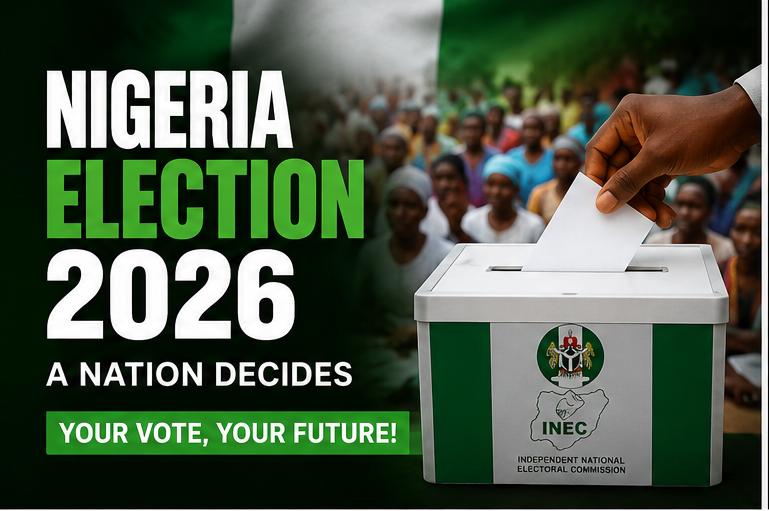
The technological framework deployed by the Independent National Electoral Commission (INEC) is vital for ensuring transparency, boosting investor confidence, and protecting the integrity of the ballot box.
Bimodal Voter Accreditation System (BVAS)
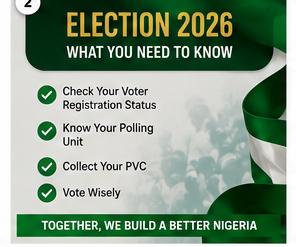
The BVAS technology has successfully eliminated the old vulnerabilities of manual voter verification. By using both fingerprint and facial biometrics, the system ensures that only physically present, validly registered voters can cast their ballots. For the upcoming cycle, public interest will be focused on upgrading BVAS hardware to optimize battery life and accelerate processing times in remote rural polling units.
INEC Result Viewing Portal (IReV)
The IReV portal represents a major step forward for transparency by allowing polling unit officials to upload scanned copies of form EC8A directly from the field during the live results window.
Expert Analysis: The immediate availability of polling-unit-level data serves as a critical defense against post-election manipulation. For the next general election to achieve flawless credibility, real-time data transmission networks must be thoroughly stress-tested against cybersecurity vulnerabilities and regional telecommunications downtimes.
Security Architecture and Logistic Frameworks
A stable security environment is a fundamental prerequisite for a high voter turnout. Nigerian security agencies, coordinating through the Inter-Agency Consultative Committee on Election Security (ICCES), face the vital task of securing thousands of polling units spread across diverse terrains.
- Mitigating Asymmetric Risks: Pre-emptive deployments in areas dealing with banditry, localized unrest, or separatist agitations are necessary to assure voters of their physical safety before the gates open.
- The Logistics Challenge: Moving sensitive electoral materials from central bank vaults to remote riverine communities in the Niger Delta or rugged terrains in the Northeast requires flawless supply chain management. Enhanced transport partnerships and real-time asset tracking are being integrated to prevent delayed openings on election morning.
International Observation and Global Economic Implications
As the economic powerhouse of West Africa, Nigeria’s political stability has significant ripple effects across global markets. International observer missions from the European Union, the African Union, ECOWAS, and the Commonwealth will monitor the updates closely.
A transparent, peaceful transition serves as a powerful green light for Foreign Direct Investment (FDI). Capital flows into Nigeria’s fintech sector, renewable energy initiatives, and agricultural value chains are closely tied to the perceived stability of its political leadership. Consequently, the successfully executed election will directly influence sovereign credit ratings and international trade partnerships.
Concluding Analysis: Strategic Path Forward for the Nigerian Election Timeline
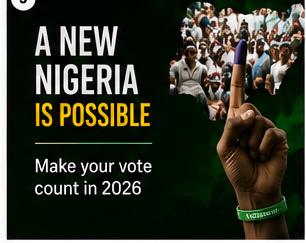
The upcoming national campaign is far more than a routine constitutional exercise; it is an important test of institutional resilience, economic direction, and democratic maturity. As the major political alliances solidify their strategies, the ultimate deciding factor will be the informed, determined choices of the Nigerian electorate. By prioritizing transparent economic policies, deploying secure technology, and maintaining national unity, the nation is well-positioned to set a shining example of democratic progress across the African continent and the global stage.
Let’s Debate in the Comments! 👇
Abeg, make we yarn real truth for here: With the way things take dey go, do you think a third-force coalition actually stands a chance to match the structure of APC and PDP this time around? Or will the zoning calculations override the voice of the youth on social media? No sit on the fence—drop your raw thoughts below and let’s drag the matter!