

Recent Kidnapping in Nigeria: Security Crisis, Economic Toll, and Solutions
Introduction: The Evolving Security Landscape
The security situation across West Africa has taken a deeply troubling turn as criminal networks systematically shift their operations into regions previously considered safe. For years, headlines regarding mass abductions were largely confined to the North-East and North-West geopolitical zones. However, the surge in **recent kidnapping in nigeria** has demonstrated a dangerous territorial expansion, directly threatening the nation’s educational system, rural economies, and internal stability.
From tactical highway ambushes targeting students to coordinated raids on schools in southwestern and central states, the evolution of banditry in 2026 demands a rigorous evaluation. This article explores the latest incidents involving **recent kidnapping in nigeria**, the underlying socioeconomic drivers, the financial toll of the ransom economy, and the federal response designed to restore public safety.
Table of Contents: Security Assessment
- 1. The Changing Geography of Kidnapping in Nigeria
- The Southwest Frontline: Oyo State Abductions
- The Askira-Uba Raid in Borno State
- Benue Highway Ambushes
- 2. Socioeconomic Drivers of the Ransom Industry
- 3. Psychological and Societal Impacts
- 4. Federal Government Interventions and Strategy
- 5. Moving Forward: Sustainable Security Solutions
1. The Changing Geography of Kidnapping in Nigeria
Historically, the epicenters of banditry and mass abductions were heavily concentrated in states like Zamfara, Kaduna, Katsina, and Borno. While those areas continue to experience severe security pressures, recent data shows that criminal actors driving the **recent kidnapping in nigeria** landscape have expanded into the Middle Belt and Southern regions.
The Southwest Frontline: Oyo State Abductions
In a shocking departure from historical trends, southwestern Nigeria—traditionally deemed relatively peaceful—became the frontline of mass school abductions. Armed men wearing military camouflage and riding motorcycles executed a coordinated assault on local institutions, amplifying anxieties over the spread of **recent kidnapping in nigeria** tracks.
- Yawota Attack: On May 15, gunmen invaded the Baptist Nursery and Primary School in Yawota, Oyo State, forcefully abducting 39 pupils and seven teachers.
- Ahoro-Esinele Incident: Concurrently, school children were seized in nearby Ahoro-Esinele, marking a dark turn for local community infrastructure.

Security analysts note that these perpetrators are likely offshoots of criminal syndicates pushed out of northern operating theaters by ongoing military offensives. The victims were marched directly into the vast forest reserves of the Old Oyo National Park, which borders Kwara State, creating a complex cross-border tracking scenario for security forces dealing with **recent kidnapping in nigeria** networks.
The Askira-Uba Raid in Borno State
While the Southwest deals with emerging threats, the North-East continues to suffer under the actions of ideological insurgents. In late May, terrorists executed a raid on a school within the Askira-Uba Local Government Area of Borno State. At least 42 children were reported missing following the assault, an attack bearing the familiar signature of Boko Haram and ISWAP factions seeking to destabilize local communities.
Benue Highway Ambushes
In April, central Nigeria witnessed a severe breach when secondary school students and general travelers were ambushed along the Makurdi–Otukpo road in Benue State. The students were traveling to sit for their university entrance examinations when gunmen intercepted their vehicles. This marked another escalation in the **recent kidnapping in nigeria** cycle, where critical transportation corridors are targeted to maximize civilian vulnerability.
2. Socioeconomic Drivers of the Ransom Industry
To understand why instances of **recent kidnapping in nigeria** continue to flourish, it is necessary to examine the core drivers rendering this criminal enterprise sustainable.
| Core Driver | Operational Reality |
|---|---|
| The Ransom Economy | Commercialized crime yielding millions via unmonitored channels. |
| Governance Vacuums | Ungoverned thick forests and vast national park territories. |
| Economic Intersections | High core food inflation and widespread urban youth unemployment. |
| Climate & Resource Strain | Accelerated Sahelian desertification fueling farmer-herder friction. |

The Proliferating Ransom Economy
Abductions have transitioned from opportunistic criminal acts into a highly structured, lucrative industry. Data insights monitored by Geopolitical advisory firms like SBM Intelligence indicate that millions of dollars are processed through informal banking channels annually to secure the release of victims. The continuous payment of ransoms—often crowdfunded by desperate communities and families—provides these syndicates with the capital needed to procure advanced weaponry, fuel, and logistics, turning the trend of **recent kidnapping in nigeria** into a highly resilient commercial network.
Vast Ungoverned Spaces
Nigeria’s expansive topography contains massive, dense forest reserves that lack state authority or digital telecommunications infrastructure. Areas like the Sambisa Forest in the North-East, the Kamuku Forest in the North-West, and the Old Oyo National Park in the South-West act as secure strongholds for bandits and terrorists. These intelligence blind spots allow groups executing **recent kidnapping in nigeria** to remain hidden, preventing local security units from executing swift rescue operations without risking civilian casualties.
Economic Desperation and Climate Strain
The intersection of high youth unemployment, inflationary pressures, and regional climate volatility serves as a recruitment tool for criminal gangs. In the wider Sahel region, accelerating desertification has systematically displaced pastoralist communities, intensifying historical farmer-herder conflicts over arable land. As traditional agrarian and herding livelihoods collapse, vulnerable individuals increasingly turn to commercialized crime, accelerating the frequency of **recent kidnapping in nigeria** alerts.
3. Psychological and Societal Impacts
The collateral damage of these abductions extends far beyond the immediate trauma of the victims. The societal fabric of rural and semi-urban communities is undergoing a severe transformation due to ongoing safety concerns.
The Weaponization of Education: By systematically targeting schools, criminal groups have successfully weaponized education. Parents face the agonizing choice of risking their children’s lives or withdrawing them from formal schooling entirely. In communities across Oyo and Benue states, primary and secondary institutions have faced prolonged closures, worsening the out-of-school children crisis in sub-Saharan Africa.
Depopulation of Agricultural Communities: Food security is directly threatened as agrarian communities empty out. Following the school raids in southwestern villages, farming populations began fleeing into larger urban centers out of fear of subsequent attacks. With fields left untended, local agricultural supply chains face contraction, driving up food prices nationally and highlighting how **recent kidnapping in nigeria** directly impacts urban survival metrics.
4. Federal Government Interventions and Strategy
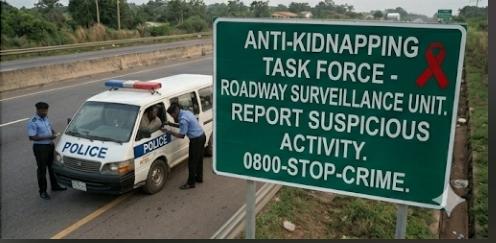
In response to the public outcry following the Oyo and Borno state abductions, the federal administration has initiated a multi-layered security strategy to suppress the syndicates responsible for **recent kidnapping in nigeria** cases.
- Special Rescue Operations: The Federal Government has deployed coordinated, intelligence-led units comprising the Armed Forces of Nigeria, the Department of State Services (DSS), the Nigeria Police Force, and the National Counter Terrorism Centre. These agencies leverage aerial surveillance to track insurgent pathways.
- Deployment of Forest Guards: Recognizing that tactical vacuums exist in rural areas, the Presidency authorized the immediate recruitment and training of 1,000 specialized forest guards per vulnerable state to secure thick woodlands.
- The Shift Toward State Policing: A core institutional reform currently being pursued is the legislative implementation of decentralization via state policing. Localized structures will improve intelligence sharing and reduce response times during emergency threats linked to the **recent kidnapping in nigeria** crisis.
5. Moving Forward: Sustainable Security Solutions
Defeating the threat of mass abductions requires looking beyond immediate military force toward structural, long-term stabilization. To put this into structural perspective with other local transitions, readers can check our comprehensive analysis of the upcoming Nigerian election updates governing policy reform.
Digital Integration: Telecommunications companies and regulatory bodies must improve cellular and satellite coverage within rural corridors to eliminate communication blind spots used by gangs executing **recent kidnapping in nigeria** plans.
Fintech Regulation: Tightening verification protocols on digital wallets and fintech applications will prevent the seamless processing and laundering of illicit ransom funds through unmonitored electronic gateways.
The **recent kidnapping in nigeria** trends highlight that no geographic zone is entirely isolated from the security crisis. Securing the future requires an unwavering commitment to border management, rural economic growth, and an absolute modernization of the local law enforcement architecture.