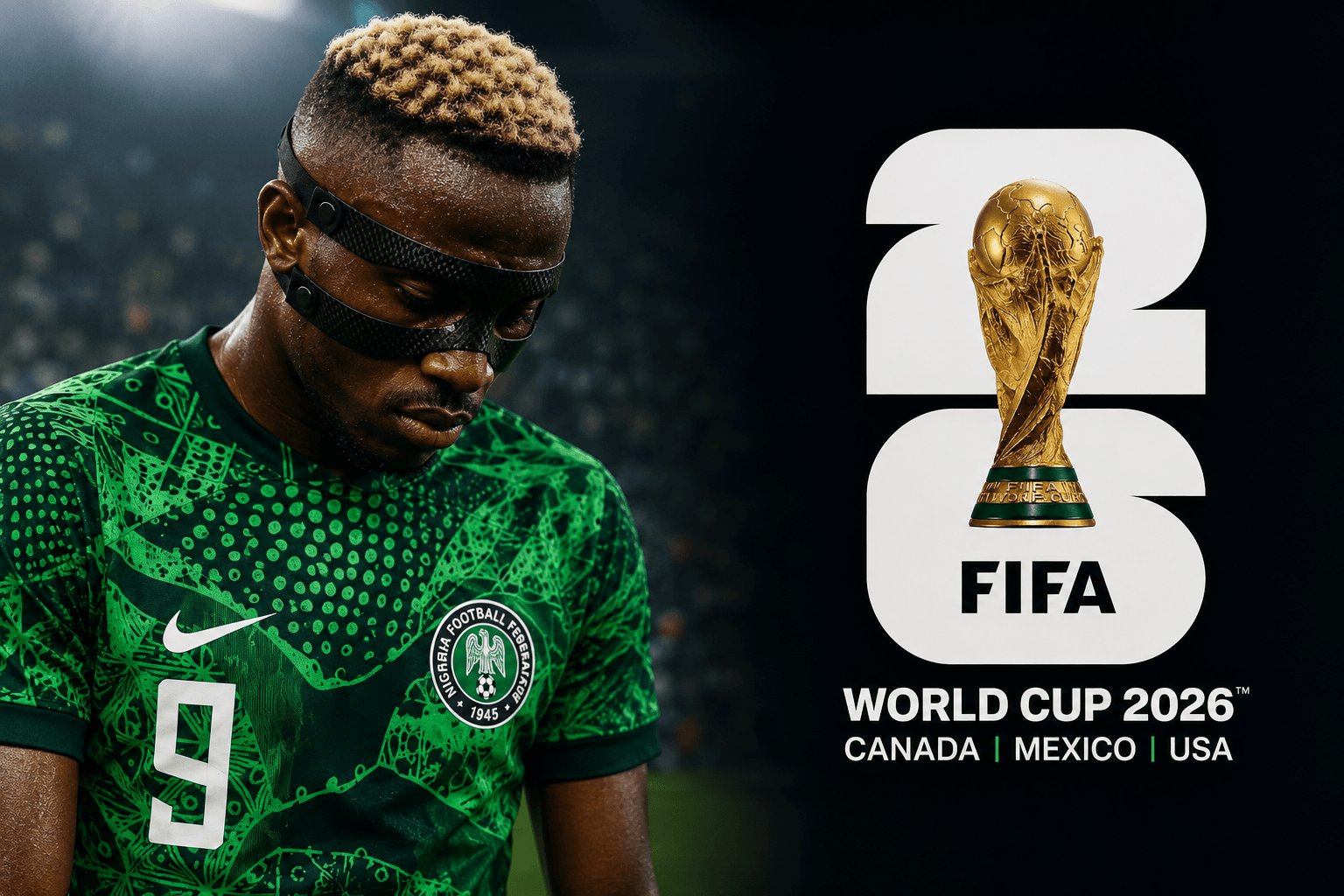
The 2026 World Cup Kicks Off But Nigeria is Missing: How NFF Politics Ruined Our Dreams
The 2026 world cup has officially kicked off across the United States, Mexico, and Canada, but a heavy cloud of frustration and heartbreak hangs over millions of football-loving Nigerians. For the first time in history, the tournament features an expanded 48-team format, granting Africa a record ten qualification slots. Fans worldwide are already tuning in to spectacles like the 2026 FIFA World Cup opening match, yet Nigeria—the undisputed giant of African football—is sitting on the sidelines watching the global showpiece on television screens.
For a nation that ranks among the top 10 globally in football player exports, missing a second consecutive tournament after the Qatar 2022 heartbreak leaves a very bitter taste in the mouth. The question on every fan’s lips is simple: Where did the Super Eagles get it wrong during this 2026 world cup run? The bitter reality is that Nigeria’s failure didn’t happen on the pitch; it was fully manufactured in the boardrooms of the Nigeria Football Federation (NFF).
📌 Table of Contents
- Too Many Cooks: The Opaque Politics Behind the 2026 World Cup Failure
- Tardy Logistics and Broken Administrative Structures
- The Real-World Cost of Missing the Tournament
- Oya, Let’s Discuss!
🏛️ Too Many Cooks: The Opaque Politics Behind the 2026 World Cup Failure
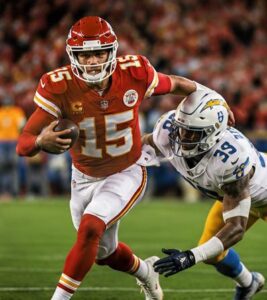
One of the greatest undoings of the Super Eagles’ qualification campaign was the sheer instability and political maneuvering surrounding the technical crew. The national team prosecuted their matches under three different head coaches: Jose Peseiro, Finidi George, and Eric Chelle. This was a far cry from the focused stability seen in top-tier global sports, such as when Patrick Mahomes signed his historic $500M contract to secure his long-term future with his franchise.
When Portuguese tactician Jose Peseiro left, local legend Finidi George was appointed. However, soccer analysts point out that Finidi never received the administrative support required to succeed. In a bizarre twist of executive micro-management, before Finidi could even settle into his role, reports leaked to the press that the NFF had relegated him to a ceremonial head coach position to bring in a foreign manager.
This level of instability completely fragmented the squad during the 2026 world cup qualifiers. While other giants were busy finalizing intense preparation fixtures, like the high-profile Portugal vs Nigeria friendly match, the NFF treated the technical bench like a game of musical chairs. This executive indecision forced Nigerians to rely on mathematical calculators toward the end of the qualifiers to create imaginary chances.
🚫 Tardy Logistics and Broken Administrative Structures
Beyond the coaching drama, the sheer lack of professional organization and tardy logistical preparation crippled the Super Eagles’ away form. A prime example of this administrative carelessness occurred during a crucial away qualifier, where Nigeria was forced to play on a traditional rugby pitch at the Toyota Stadium in Bloemfontein. Following a frustrating 1-1 draw, inside sources revealed that FIFA officials admitted a change of venue would have been ordered if only the NFF leadership had raised an official objection regarding the poor state of the pitch.
The federation simply took too many critical details for granted. From poor player management to a complete lack of foresight in match logistics, the current executive structure ran the qualifiers with an astonishing lack of elite-level professionalism, killing our 2026 world cup ambitions. For a breakdown of the official tournament structure and stadium guidelines, you can view the comprehensive official FIFA 2026 Tournament Format guidelines.
📉 The Real-World Cost of Missing the Tournament
While smaller African nations like Cape Verde (ranked 69th globally) and the Democratic Republic of Congo are celebrating their historic presence on the world stage, instead of anticipating highly explosive group-stage showdowns like the highly anticipated Mexico vs South Africa World Cup 2026 match, Nigeria’s football scene faces deep regression. The failure to qualify does not just hurt national pride; it inflicts severe damage on the local economy and sports ecosystem.
Millions of naira in potential sponsorship deals, merchandise sales, and viewing-center revenues have evaporated overnight. Hardworking local fans who spent years saving up hard-earned money to support the Super Eagles live in North America have had their dreams crushed.
Industry experts warn that if the NFF does not immediately pivot its attention to grassroots development, age-grade teams (like the Flying Eagles and Golden Eaglets), and proper administrative restructuring, the ripple effects of this 2026 world cup catastrophe will plague Nigerian football for years to come.
💬 Oya, Let’s Discuss! (The Comment Box Trap)
What is your raw take on this disaster? With calls for a total overhaul of the Nigeria Football Federation growing louder by the day, who do you blame the most for this historic failure? Is it the NFF leadership under Ibrahim Gusau, the tactical instability of the coaches, or a lack of patriotic commitment from our European-based superstars? Drop your unfiltered thoughts in the comments section below! Let’s hit the board and talk! 👇🏽